Planning Ahead: Why Joining a Memory Care Waitlist Early Can Make a Big Difference
GIANNA HOMES MN
For more information about the author, click to view their website: Gianna Homes
Nov 16, 2025
Minnesota - Twin Cities Metro Area

Email US
Click to Email Us
Planning Ahead: Why Joining a Memory Care Waitlist Early Can Make a Big Difference
Moving a loved one into memory care is one of those decisions families often hope never comes — and yet, when the time does arrive, the choices can feel urgent and overwhelming. According to Gianna Homes, joining a memory care waitlist early offers not just logistics, but peace of mind, better fit and smoother transitions. Gianna Homes
Why Early Planning Matters
Memory loss often progresses gradually: missed bills, confusion about appointments, little signs that escalate. Gianna Homes points out that waiting for a crisis—such as a fall or hospitalisation—to prompt a move often limits your choices to whichever facility has an open bed. Gianna Homes
By contrast, planning ahead gives families breathing room: time to research memory care homes, visit spaces, ask questions, and choose based on fit—not just availability.
Key Benefits of Joining a Waitlist Early
Gianna Homes outlines several advantages of early waitlist enrolment:
-
Peace of mind – Knowing a place is lined up reduces stress and uncertainty for both you and your family.
-
The right fit – You can take the time to verify that the community aligns with your loved one’s personality, preferences and care needs, rather than feeling forced to settle for what’s available under pressure.
-
Easier transition – When a move is planned rather than rushed, the setting (home/environment) can feel more familiar and welcoming. Families already feel connected instead of being dropped in in crisis.
-
Community connection in advance – Being on the waitlist lets families begin engaging early: meeting staff, getting to know the atmosphere, and start making the transition more gradual and less jarring.
How Gianna Homes Supports Families While on the Waitlist
At Gianna Homes, the waitlist isn’t just a number in the queue. They keep families engaged, answer questions, support visits, and help build familiarity ahead of move-in day.
This early relationship helps the loved one feel comfortable sooner, and the family feel confident they’ve made a thoughtful choice.
What This Means for Families & Seniors
Here are a few practical take-aways for families reading this:
-
It’s okay to take the step to join a waitlist before a crisis. Doing so is proactive, not premature.
-
Use the waitlist period to visit the community more than once, ask how staff interact, what daily life looks like, and how they support transitions.
-
Use this time to prepare emotionally and logistically: discuss priorities, preferences, and what environment your loved one thrives in (quiet vs. social; garden vs. indoors; etc.).
-
Recognise that when the time comes, a move to memory care is not just about care services—it’s about comfort, dignity and choosing the environment where your loved one can thrive.
Final Thoughts
Joining a memory care waitlist early is one of those smart choices that quietly makes a big difference when it matters most. By taking action in advance, families give themselves space, choice, and calm—rather than being forced into hurried decisions during a stressful time. Gianna Homes emphasises that waiting lists are not about eliminating uncertainty—they’re about replacing it with readiness, connection, and a sense of control. Contact Gianna Homes at 952-443-6113 or visiti our website at www.giannahomes.org

- To view the original version of this article visit giannahomes.org/blog/why-joining-a-memory-care-waitlist-early-can-benefit-families/
- Seniors Blue Book was not involved in the creation of this content.
Other Articles You May Like
When to Consider Memory Care in Mobile, AL
When to Consider Memory Care in Mobile, ALOne of the hardest decisions a family can face is determining when a loved one living with Alzheimer's disease or another form of dementia needs more support than can reasonably be provided at home.At first, the changes may seem manageable. An older parent forgets appointments, repeats questions, or occasionally misplaces belongings. Family members adjust by providing reminders, organizing medications, and checking in more frequently.Over time, however, new concerns may emerge.A loved one might leave the house and become disoriented, forget to eat, struggle with personal care, or experience increasing confusion during the evening. Family caregivers may begin wondering whether they can provide the supervision and assistance their loved one needs.For families in Mobile, Alabama, these challenges often lead to an important question: When is it time to consider memory care?Specialized memory care provides residential support for people living with cognitive conditions that affect everyday functioning, safety, and independence.Kauhale Port City, located on Morrison Drive in Mobile, offers dedicated memory care for individuals living with Alzheimer's disease and related dementias.Its approach includes secured living spaces, trained caregivers, daily activities, personalized assistance, and the community's ASAP memory care program, which emphasizes meaningful engagement and maintaining existing abilities.Understanding the signs that additional support may be needed can help families make thoughtful decisions before a crisis occurs.What Is Memory Care?Memory care is a specialized residential service designed for individuals who experience cognitive changes associated with Alzheimer's disease and other forms of dementia.Unlike general assisted living, memory care places additional emphasis on supervision, orientation, familiar routines, and dementia-specific caregiving.The objective is to provide appropriate support while preserving dignity, comfort, and opportunities for meaningful daily experiences.Common Memory Care ServicesDepending on the community and individual needs, services may include:Caregiver assistance throughout the day and nightSecured residential spacesHelp with bathing and dressingMedication administrationMobility assistanceStructured daily routinesPersonalized recreational activitiesDining and nutritional supportLaundry and housekeepingSocial engagementFamily communicationMonitoring changes in residents' needsMemory care is not identical to skilled nursing.Residents who require extensive medical treatment or complex nursing services may need additional healthcare resources or another level of care.Understanding How Dementia Changes Daily LifeDementia affects more than memory.It may also influence judgment, communication, awareness, behavior, and the ability to complete familiar tasks.Changes vary according to the underlying condition and the individual.Memory DifficultiesA person may forget recent conversations, important appointments, or instructions.Changes in JudgmentSome individuals have increasing difficulty making decisions involving money, household safety, or medications.DisorientationA person may become confused about familiar places, dates, or surroundings.Communication ChallengesFinding words, following conversations, or explaining needs may become more difficult.Changes in Daily FunctionActivities such as preparing meals, dressing, bathing, and managing medications may require additional help.Emotional and Behavioral ChangesSome individuals experience anxiety, frustration, withdrawal, or altered sleep patterns.These changes do not occur in the same order for everyone.Families should consult a qualified healthcare professional when cognitive symptoms develop or worsen.Seven Signs It May Be Time to Consider Memory CareThere is no universal checklist that determines exactly when someone should move into a memory care community.However, several changes may indicate that additional residential support should be considered.1. Safety Concerns Are IncreasingA loved one may begin leaving home without recognizing where they are going.They might forget to turn off appliances, become lost while walking, or struggle to recognize hazards.These situations can create serious safety concerns.When supervision is needed throughout much of the day, families may need to explore additional care arrangements.2. Medication Management Has Become DifficultA person living with dementia may forget whether medication has already been taken.This can lead to missed doses or accidental duplication.Medication management is particularly important when someone takes prescriptions for diabetes, cardiovascular disease, or other chronic conditions.3. Personal Care Is Becoming InconsistentBathing, dressing, grooming, and other daily routines may become increasingly difficult.Some people need verbal reminders.Others require hands-on assistance.Families should consider whether the required level of support can be maintained safely at home.4. Eating and Nutrition Are Becoming ConcernsA person may forget meals, struggle to prepare food, or experience changes in appetite.Some individuals require additional assistance with dining.Appropriate nutritional support can become an important part of the care plan.5. Nighttime Confusion Is IncreasingDementia can affect sleep patterns.Some individuals wake frequently, become disoriented at night, or attempt to leave the home.Family members providing overnight supervision may experience significant fatigue.6. Social Engagement Has DeclinedA loved one may stop participating in familiar activities or become less interested in social interaction.Memory care communities often provide structured opportunities for engagement.Activities should reflect personal interests and current abilities.7. Family Caregivers Are Struggling to Maintain SupportFamily caregiving can involve emotional, physical, and practical responsibilities.A caregiver may spend much of the day coordinating meals, appointments, medications, and supervision.When the necessary support exceeds what the family can consistently provide, exploring memory care can be an appropriate planning step.Kauhale Port City in Mobile, AlabamaKauhale Port City is an assisted living and memory care community located at 4720 Morrison Drive in Mobile.The community provides specialized residential services for individuals living with Alzheimer's disease and other forms of dementia.Its published memory care information emphasizes personalized support, resident dignity, and maintaining existing skills through daily engagement.Secured Memory Care AccommodationsKauhale Port City offers secured living spaces designed for residents with cognitive challenges.The community's Seniors Blue Book memory care listing identifies a secured courtyard and private accommodations.Families should ask how residents are supervised, how secured areas operate, and what procedures are followed when a resident becomes distressed or disoriented.Specially Trained CaregiversThe community advertises a team trained to support people living with dementia.Caregivers assist with daily routines and encourage residents to participate according to their abilities.Families should ask about dementia-specific training, communication practices, and how care plans are reviewed.Twenty-Four-Hour StaffingKauhale Port City provides staffing around the clock.This supports residents who may need assistance outside regular daytime hours.During a tour, families should discuss overnight supervision, emergency response procedures, and how changes in condition are communicated.Personalized Daily AssistanceMemory care services include help with:Bathing and groomingDressingMedication administrationMobilityLaundryDaily routinesOther personal care needsThe specific support provided depends on the individual care assessment.Dining and Nutritional SupportKauhale Port City advertises dining services and dietician support.Residents may receive assistance according to their needs and care plan.Families should discuss changes in appetite, swallowing concerns, dietary restrictions, and any additional dining assistance their loved one requires.Structured ActivitiesThe community offers activities and programs intended to help residents remain engaged.For individuals living with dementia, familiar and meaningful activities can be particularly important.A resident may enjoy music, crafts, conversation, gentle movement, or other familiar interests.Activities should be adapted to the individual's preferences and abilities.Additional Services and AmenitiesKauhale Port City also advertises:Salon servicesArranged transportationGroup outingsAccess to pastoral carePersonal laundryMaintenance servicesEmergency call systemsPrivate dining optionsPet visitsVacation and respite staysAvailability and suitability of individual services should be confirmed with the community.Understanding the ASAP Memory Care ProgramOne of Kauhale Port City's distinguishing features is its ASAP program, which stands for Awakening the Subconscious of the Alzheimer's Patient.The community describes this program as a holistic approach incorporated into everyday interactions between caregivers and residents.It focuses on five areas of well-being.Spiritual NeedsThis area emphasizes respecting personal identity and helping residents feel valued.Spiritual support may involve familiar religious practices, meaningful relationships, or activities connected to personal beliefs.Societal NeedsThe program emphasizes reducing prolonged isolation and encouraging appropriate community participation.This may include shared activities, group events, and individual social engagement.Physical HealthThe physical component considers nutrition, activity, sleep, and changes in health.Caregivers are encouraged to recognize changes that may require professional assessment.Emotional HealthThe emotional component emphasizes the importance of positive interactions.People living with dementia may experience feelings associated with an interaction even when they have difficulty recalling its details.Patient, reassuring communication can help support emotional comfort.Habilitative CareHabilitative care focuses on maintaining a resident's current abilities for as long as reasonably possible.Instead of automatically completing every task for the resident, caregivers encourage appropriate participation.For example, a person may select clothing, help set a table, or participate in grooming with guidance.The goal is to preserve meaningful involvement in everyday life.Why Memory Care Matters Locally in Mobile CountyMobile County includes older adults living independently, with relatives, and in senior living communities.When dementia progresses, families may need more consistent supervision and specialized support.Having residential memory care options within Mobile can help relatives evaluate services closer to home.Maintaining Family ConnectionsKauhale Port City is located in Mobile on Morrison Drive.For relatives living in the city and surrounding communities, a local memory care residence may make regular visits easier to arrange.Family relationships remain important throughout dementia.Helping Caregivers Balance ResponsibilitiesFamily caregivers may manage employment, children, household responsibilities, and caregiving at the same time.As care needs increase, additional residential support may become necessary.Access to Structured Daily ActivitiesSome individuals with dementia benefit from predictable routines and appropriate engagement.A dedicated memory care setting can provide these opportunities within a supervised residential environment.Planning for Progressive ConditionsAlzheimer's disease and many other forms of dementia are progressive.Families benefit from discussing how changing cognitive, physical, and medical needs will be evaluated.Memory Care at Home Versus Residential Memory CareMany families initially provide dementia care at home.For some individuals, this arrangement remains appropriate for a considerable period.However, needs may change.Dementia Support at HomeHome-based support may involve family caregivers, professional aides, adult day services, or a combination of resources.Advantages can include:Familiar surroundingsEstablished personal routinesDirect family involvementFlexibility in arranging assistancePotential challenges include increasing supervision requirements and caregiver availability.Residential Memory CareA memory care community provides a dedicated residential environment with trained caregivers, daily routines, and specialized programming.Potential benefits may include:Around-the-clock staffingSecured residential areasAssistance with personal careMedication supportStructured activitiesOpportunities for social connectionReduced household management responsibilitiesNeither arrangement is automatically right for everyone.The decision depends on safety, care needs, finances, available support, and the older adult's preferences.What Families Should Know About WanderingWandering and getting lost can occur in some people living with dementia.An individual may leave a familiar environment because they are searching for something, feeling anxious, or misunderstanding their surroundings.Why It Can Become DangerousA person may become disoriented, enter unsafe areas, or have difficulty asking for help.How Families Can RespondAt home, families may need to review supervision arrangements and safety precautions.A healthcare professional or dementia support organization can provide guidance.What to Ask a Memory Care CommunityDuring a tour, ask:How are exits monitored?Are outdoor areas secured?How are residents supported when they become restless?What happens if someone attempts to leave?How does staff communicate incidents to families?A secured environment should also respect resident dignity and appropriate freedom of movement.The Importance of Emotional and Behavioral SupportPeople living with dementia may struggle to explain pain, fear, frustration, or unmet needs.Changes in behavior sometimes provide clues that something is wrong.Possible Contributing FactorsThese may include:PainIllnessHungerFatigueOverstimulationChanges in routineMedication effectsUnfamiliar surroundingsCaregivers should consider possible causes rather than assuming all behavior changes are inevitable symptoms of dementia.Communication StrategiesHelpful approaches may include:Speaking calmlyUsing simple instructionsAllowing time for responsesOffering reassuranceMaintaining familiar routinesRespecting personal preferencesSudden changes in thinking or behavior should receive medical evaluation because acute illness and other treatable problems may be involved.Preparing for a Memory Care TourA tour provides an opportunity to see how a community operates.Families should look beyond the building's appearance.Observe Caregiver InteractionsNotice whether caregivers speak respectfully and patiently with residents.Ask About Individual Care PlansFind out how personal histories, preferences, and daily support needs are documented.Review the Activity ScheduleAsk how activities are adjusted for residents with different abilities.Discuss Dining AssistanceFind out how staff support residents who need reminders or assistance during meals.Ask About Overnight CareUnderstand how staffing and supervision work after regular daytime activities end.Review Emergency ProceduresAsk how the team responds to urgent medical needs.Understand Family CommunicationFind out who provides updates and how families can reach the care team.Understanding Kauhale Port City Memory Care CostsCost is an important part of long-term memory care planning.Kauhale Port City's dedicated Seniors Blue Book memory care listing advertises a starting price of approximately $6,895 per month.It identifies a studio apartment layout and describes the listed pricing structure as all-inclusive.The community's official memory care webpage separately lists a one-time community fee of $2,500.These published amounts are reference figures and may change.Additional Charges to DiscussThe community's official website lists possible charges for:Beautician servicesCrafts or outingsContinence managementRespite staysThe published respite rate is $200 per day.Families should ask how any additional charges interact with an all-inclusive memory care rate.Questions to Ask About PricingWhat is the current monthly rate?What services are included?Is medication administration included?Are personal care supplies provided?What is the current community fee?Are there additional care-related charges?How are future rate increases handled?What happens if medical needs change?Request a written estimate before making a financial commitment.Helping a Loved One Adjust to Memory CareMoving into a new environment may be confusing for someone living with dementia.Thoughtful preparation can help support the transition.Share Personal HistoryTell the care team about the resident's former occupation, family relationships, hobbies, and favorite routines.Bring Familiar BelongingsPhotographs, bedding, favorite decorations, and other meaningful items may help personalize the room.Maintain Appropriate RoutinesShare information about waking times, meals, music, and preferred activities.Allow Time to AdjustChanges in environment may temporarily increase confusion or distress.Families should discuss concerns with the care team.Continue Meaningful VisitsFamily visits, familiar conversations, and shared activities can help preserve relationships.Communicate ChangesLet staff know about new symptoms, preferences, or concerns.Expert Tip for Families Considering Memory CareExpert Tip: Before touring memory care communities, write down the specific situations that have become difficult at home. Include medication concerns, nighttime confusion, personal care needs, wandering risks, and caregiver responsibilities. Ask each community how its team would address those exact situations.This approach can help families compare actual support capabilities rather than relying only on general descriptions.How to Get Started With Kauhale Port City Memory CareStep 1: Identify Current Support NeedsMake a list of safety concerns, changes in daily activities, and supervision requirements.Step 2: Consult a Healthcare ProfessionalDiscuss whether specialized residential care is appropriate for the individual's condition.Step 3: Contact Kauhale Port CityCall 251-380-0053 to discuss memory care availability.Step 4: Schedule a Community TourVisit the community at 4720 Morrison Drive in Mobile.Step 5: Ask About the ASAP ProgramLearn how caregivers incorporate the program's five areas of support into everyday routines.Step 6: Review AccommodationsAsk about available studio apartments and the memory care environment.Step 7: Request Current PricingConfirm monthly rates, one-time fees, additional charges, and available payment arrangements.Step 8: Discuss the Transition PlanShare relevant medical information, personal preferences, and familiar routines with the community.Frequently Asked Questions About Memory Care in Mobile1. When should a family consider moving a loved one into memory care?Memory care may be appropriate when dementia-related changes create significant safety concerns, require ongoing supervision, interfere with daily activities, or exceed the support available at home.2. Does Kauhale Port City offer specialized memory care?Yes. Kauhale Port City provides dedicated memory care with secured residential spaces, trained caregivers, personal assistance, structured activities, and its ASAP memory care program.3. What makes the ASAP program different?ASAP focuses on five areas of resident well-being: spiritual needs, societal needs, physical health, emotional health, and habilitative care. The approach emphasizes meaningful engagement and maintaining existing abilities.4. Does Kauhale Port City provide overnight assistance?The community advertises 24-hour staffing. Families should confirm specific overnight supervision arrangements and how individual needs are addressed.5. How much does memory care cost at Kauhale Port City?Its dedicated Seniors Blue Book memory care listing advertises a starting price of approximately $6,895 per month. The official website also lists a $2,500 community fee. Families should request current written pricing and details about included services.Make a Thoughtful Decision About Memory CareRecognizing that a loved one needs more support can be emotional.Families may feel uncertain about when to make a change or worry about how their loved one will adjust.However, exploring memory care does not mean overlooking the person's independence or individuality.The goal is to find an environment that supports safety, dignity, personal preferences, and meaningful daily experiences.For families throughout Mobile County, Kauhale Port City offers specialized memory care through secured accommodations, trained caregivers, personalized daily assistance, and its ASAP program.Whether your loved one is experiencing increasing confusion, difficulty with everyday activities, or a growing need for supervision, learning about residential support options can help your family plan with greater confidence.Contact Kauhale Port City to schedule a tour, discuss memory care availability, and learn about the community's personalized approach.Featured Seniors Blue Book ListingKauhale Port CityRecommended Main Category: Memory CareAddress: 4720 Morrison Drive, Mobile, AL 36609County: Mobile County, AlabamaPhone: 251-380-0053Memory Care Program: ASAP, Awakening the Subconscious of the Alzheimer's PatientServices: Specialized dementia care, 24-hour staffing, secured living spaces, personal care assistance, medication administration, mobility assistance, dining, dietician support, structured activities, scheduled transportation, laundry, and respite stays.Accommodation Type: Studio apartments in the dedicated memory care areaFind Kauhale Port City Memory Care on Seniors Blue BookLooking for specialized memory care in Mobile, Alabama?Explore Kauhale Port City through its dedicated Seniors Blue Book memory care listing on SeniorsBlueBook.com.Review the community's accommodations, specialized dementia services, and contact information. Connect with the team to discuss the ASAP memory care program, supervision needs, pricing, and tour availability.
Personalized Memory Care for Seniors in Mobile, AL
Personalized Memory Care for Seniors in Mobile, ALA familiar song can bring a smile. A photograph may inspire a story. Even when remembering names or recent events becomes difficult, a person living with dementia can continue to experience happiness, connection, and meaningful moments.For families in Mobile, Alabama, witnessing a loved one's memory changes can be emotional and sometimes overwhelming. Everyday activities that were once simple may require additional guidance. A parent may forget medication instructions, become confused in familiar surroundings, or struggle to maintain established routines.As these changes progress, families often begin exploring specialized memory care.The decision involves more than finding a secure residential environment. It means choosing a community that understands the individual's personality, history, preferences, and changing abilities.Kauhale Heritage Woods, located in Mobile County, offers specialized memory care for individuals living with Alzheimer's disease and related dementias.The community uses a distinctive approach called ASAP, Awakening the Subconscious of the Alzheimer's Patient, which emphasizes meaningful engagement, emotional well-being, physical health, personal identity, and everyday abilities.For older adults and families throughout Mobile, understanding how personalized memory care works can make an important difference when evaluating long-term support options.What Is Memory Care?Memory care is a specialized residential service designed for people living with Alzheimer's disease and other forms of dementia.Memory care communities provide assistance with daily activities while addressing challenges involving memory, judgment, communication, orientation, and behavior.Although memory care shares certain features with assisted living, it typically includes additional dementia-specific support and environmental safeguards.Common Memory Care ServicesDepending on the community and individual care plan, services may include:Caregiver assistance throughout the day and nightSecured residential areasHelp with bathing and dressingMedication administrationMobility assistanceStructured daily routinesMeaningful recreational activitiesPersonalized dining supportSocial engagementHousekeeping and laundryFamily communicationMonitoring changes in residents' needsA quality memory care approach should recognize that dementia affects individuals differently.Two people with the same diagnosis may have very different abilities, interests, and support needs.Understanding Alzheimer's Disease and DementiaDementia is a general term describing changes in memory, thinking, behavior, and everyday functioning severe enough to interfere with daily life.Alzheimer's disease is one of the most common causes of dementia.Other conditions associated with dementia include vascular dementia, Lewy body dementia, and frontotemporal dementia.Common Changes Families May NoticeThese can include:Forgetting recent conversationsRepeating questionsDifficulty following instructionsConfusion about dates or locationsChanges in judgmentDifficulty managing medicationsTrouble completing familiar tasksChanges in sleep patternsIncreased anxiety or frustrationDifficulty recognizing people or surroundingsThese symptoms vary according to the underlying condition and its progression.Not every memory change indicates dementia. Other medical conditions, medication effects, depression, and sleep problems can also affect thinking and memory.A qualified healthcare professional should evaluate concerning changes.Why Personalized Memory Care MattersPeople living with dementia have unique life histories.A retired teacher may enjoy reading aloud. A former gardener may find comfort arranging flowers. Someone who loved music may respond positively to familiar songs.These personal interests can remain meaningful even when cognitive abilities change.Recognizing the Person Beyond the DiagnosisPerson-centered care involves learning about the individual's:Previous occupationsFavorite activitiesFamily relationshipsPersonal routinesCultural backgroundSpiritual preferencesCommunication styleLikes and dislikesThis information helps caregivers provide more individualized support.Preserving FamiliarityFamiliar routines can help create a sense of predictability.Consistent mealtimes, preferred activities, and familiar belongings may reduce some forms of confusion or distress.Supporting Existing AbilitiesMemory care should not automatically involve doing everything for residents.When appropriate, individuals can continue participating in familiar activities with assistance.Respecting Personal PreferencesResidents may prefer different activities, meal choices, or ways of interacting.Caregivers should consider these preferences whenever possible.Kauhale Heritage Woods in Mobile, AlabamaKauhale Heritage Woods is an assisted living and memory care community located at 3440 Hillcrest Road in Mobile.The community provides specialized residential support for people living with Alzheimer's disease and related dementias.Its memory care services emphasize safety, dignity, personalized assistance, and meaningful daily engagement.Specialized Memory Care AccommodationsKauhale Heritage Woods advertises secured living spaces designed for residents experiencing cognitive challenges.The goal is to provide a supportive environment that accounts for changes in memory, orientation, and judgment.Families should discuss specific security procedures, supervised access, emergency response protocols, and outdoor access during a tour.Trained Memory Care TeamThe community advertises specially trained caregivers who support individuals living with dementia.Its memory care approach includes personalized assistance with daily activities and opportunities for meaningful engagement.Twenty-Four-Hour StaffingKauhale Heritage Woods lists caregiver staffing 24 hours a day.This provides access to assistance throughout the day and night.Families should ask how staffing assignments work, particularly during overnight hours and when residents require additional support.Personalized Daily AssistanceMemory care services include help with:Personal careGroomingDressingMedication administrationMobilityLaundryDaily routinesThe level of assistance depends on individual needs.Dining and Nutritional SupportKauhale Heritage Woods provides dining services and advertises dietician support.Nutrition can become more complicated when someone experiences memory changes.A resident may forget to eat, have difficulty recognizing food, or need additional assistance during meals.Families should ask how dining support is adapted for individual residents.Activities and Social EngagementThe community offers structured activities and enrichment opportunities.Programming is intended to help residents remain engaged while recognizing their current abilities.Additional AmenitiesThe community also advertises:Salon servicesArranged transportationAccess to pastoral carePet visitsPersonal laundryMaintenance servicesPrivate dining optionsVacation and respite staysFamilies should confirm availability, eligibility, fees, and scheduling requirements for individual services.Understanding the ASAP Memory Care ProgramOne of the distinguishing features of Kauhale Heritage Woods is its ASAP program.ASAP stands for Awakening the Subconscious of the Alzheimer's Patient.The community describes ASAP as a holistic approach used throughout interactions between caregivers and residents.Rather than focusing exclusively on memory loss, the program considers several dimensions of well-being.1. Spiritual NeedsThe spiritual component emphasizes personal identity, dignity, and feeling valued.Spiritual well-being may involve religious practices, personal beliefs, meaningful relationships, or activities that provide comfort.The appropriate approach depends on each resident's preferences.2. Societal NeedsThe program emphasizes preventing prolonged social isolation and encouraging participation in community activities.Social engagement may include conversation, shared meals, group activities, or individualized interaction.Residents should be supported according to their comfort and abilities.3. Physical HealthPhysical well-being involves nutrition, activity, sleep, and observation of changes in health.Caregivers may notice subtle changes in behavior or physical condition that require further assessment.This is particularly relevant because someone living with dementia may have difficulty explaining symptoms.4. Emotional HealthThe emotional component emphasizes positive interactions and awareness of how caregiver communication affects residents.Even when a person has difficulty recalling an interaction, feelings associated with the experience may remain important.Calm communication, patience, and reassurance can help create a supportive environment.5. Habilitative CareHabilitative care focuses on helping residents use their remaining abilities.Rather than expecting someone to regain skills that may have been permanently affected, caregivers support what the individual can still do.For example, a resident may be able to participate in dressing by selecting clothing or completing part of the task with assistance.The goal is to preserve participation and personal dignity.The Importance of Familiar Routines in Dementia CareA predictable daily routine can be helpful for some people living with dementia.When activities occur in a familiar order, individuals may experience less uncertainty.Morning RoutinesSome residents prefer to wake gradually, while others enjoy getting dressed and beginning activities early.Personal preferences should be considered when possible.MealtimesRegular mealtimes can provide structure.Familiar foods and a comfortable dining environment may encourage participation.ActivitiesMeaningful activities can provide opportunities for movement, creativity, and social interaction.Rest PeriodsPeople living with dementia may become tired or overwhelmed by excessive stimulation.A balanced schedule should allow time for rest.Evening RoutinesFamiliar evening routines may help residents prepare for sleep.Caregivers should be attentive to changes in nighttime behavior.The Alzheimer's Association recommends adapting routines to a person's abilities, interests, and changing needs.Why Emotional Connection Remains ImportantDementia can change communication, but it does not eliminate a person's need for companionship and respect.A reassuring voice, familiar music, or shared activity may provide comfort.Communicating With PatienceCaregivers can use simple language, maintain eye contact when appropriate, and allow additional time for responses.Avoiding Unnecessary CorrectionRepeatedly correcting someone about minor inaccuracies can sometimes create distress.When safety is not involved, responding to the person's feelings may be more helpful.Using Familiar InterestsMusic, photographs, hobbies, and personal stories may encourage connection.Respecting Individual ResponsesAn activity that works well one day may be overwhelming another day.Caregivers should observe responses and make adjustments.Why Memory Care Matters Locally in Mobile CountyMobile County includes many older adults and families navigating changes in healthcare and long-term support needs.When a loved one develops dementia, relatives may initially provide assistance at home.Over time, responsibilities can become more demanding.Supporting Family CaregiversFamily caregivers may coordinate medications, meals, transportation, personal care, and supervision.As dementia progresses, these responsibilities can become difficult to manage alongside employment and family obligations.Specialized memory care offers another option when residential support becomes appropriate.Maintaining Family ConnectionsKauhale Heritage Woods is located in West Mobile along Hillcrest Road.For relatives living in Mobile and nearby communities, the location may make regular visits more manageable.Access to a Structured EnvironmentPeople with dementia may benefit from familiar routines, trained caregivers, and a residential environment designed around cognitive changes.Planning for Changing NeedsDementia is generally progressive, although the rate and pattern of change vary.Families should discuss how a community evaluates changing care needs and whether additional services can be provided.Recognizing When Memory Care May Be AppropriateThere is no single moment when every person living with dementia should move into memory care.The decision depends on individual safety, support needs, family resources, and personal preferences.Increasing Safety ConcernsA loved one may begin getting lost, leaving home unexpectedly, or forgetting household safety precautions.Medication DifficultiesMemory changes can make it difficult to follow medication instructions consistently.Challenges With Daily ActivitiesBathing, dressing, eating, and other routines may require increasing assistance.Sleep and Behavioral ChangesNighttime activity, anxiety, or agitation may create additional support needs.Caregiver ExhaustionFamily caregivers may become unable to provide the necessary level of supervision.Reduced Social EngagementSome individuals become isolated when memory changes make familiar activities more difficult.A healthcare professional can help families evaluate whether specialized residential care is appropriate.Memory Care Versus Assisted LivingAlthough Kauhale Heritage Woods offers both services, they serve different needs.Assisted LivingAssisted living generally supports older adults who need assistance with daily activities but do not require a specialized dementia-focused residential environment.Memory CareMemory care is designed for individuals whose cognitive changes affect safety, daily functioning, and support needs.Memory care typically includes dementia-specific staff training, structured activities, and secured spaces.Families should ask how the community determines the appropriate level of care.Creating Meaningful Activities for Residents With DementiaActivities should reflect individual interests and current abilities.The goal is meaningful engagement rather than completing a task perfectly.MusicFamiliar songs may inspire singing, movement, or conversation.Art and CraftsCreative activities can provide opportunities for self-expression.Household TasksSome residents enjoy folding towels, organizing familiar objects, or participating in simple household routines.Gentle MovementAppropriate physical activities may support mobility and enjoyment.ReminiscencePhotographs, stories, and familiar objects may encourage interaction.Spiritual ActivitiesFor interested residents, pastoral care or familiar spiritual practices may provide comfort.Families should ask how Kauhale Heritage Woods adapts activities for different stages of dementia.Helping a Loved One Transition Into Memory CareMoving into memory care can be emotional for residents and family members.Thoughtful preparation may help reduce stress.Share Personal History With StaffProvide information about favorite activities, routines, important relationships, and communication preferences.Bring Familiar BelongingsPhotos, bedding, decorations, and other familiar items may help personalize the living space.Establish Communication ExpectationsAsk how staff provide updates and whom family members should contact with questions.Allow Time for AdjustmentSome residents need time to become familiar with new surroundings.Maintain Meaningful VisitsContinue activities your loved one enjoys when possible.Avoid Comparing ExperiencesEvery person adjusts differently.Families should work with the care team to understand individual needs.Understanding Memory Care Accommodations and CostsKauhale Heritage Woods lists several memory care floor plans.Its published options include:Dauphin Studio, approximately 270 square feetOakleigh Studio, approximately 335 square feetFinley Two-Bedroom, approximately 435 square feetAvailability and suitability should be confirmed directly.Published Community FeeThe official memory care webpage lists a one-time initial community fee of $1,500.The community also identifies possible additional charges for salon services, crafts or outings, and continence management.These figures may change.Families should request a current written pricing proposal that clearly identifies accommodation costs, personal care charges, and optional services.Questions to Ask About PricingWhat is the current monthly memory care rate?Which services are included?Are care-level fees assessed separately?Are medications or personal supplies additional?Are transportation and outings included?How often are rates reviewed?What happens when care needs increase?What are the terms of the residency agreement?The assisted living starting rate advertised elsewhere for the community should not be assumed to be its memory care price.What to Look for During a Memory Care TourA tour provides an opportunity to observe the environment and ask detailed questions.Staff InteractionObserve how caregivers communicate with residents.Look for patience, respect, and individualized attention.Resident EngagementAsk how activities are adapted to different abilities.Safety ProceduresDiscuss secured access, wandering risks, emergency systems, and supervision.Daily RoutineRequest an example of a typical day.Dining SupportAsk how the community assists residents who need additional help during meals.Care PlanningLearn how families contribute personal history and preferences.CommunicationAsk how health changes, incidents, or care concerns are communicated.Medical CoordinationDiscuss how residents receive healthcare outside the community when needed.Expert Tip for Choosing Memory CareExpert Tip: When touring a memory care community, ask how staff learn about each resident's life before dementia. A personalized care plan should consider favorite routines, family relationships, hobbies, communication preferences, and activities that provide comfort.Also ask for examples of how staff adapt those routines when a resident's abilities change.How to Get Started With Kauhale Heritage Woods Memory CareStep 1: Review Your Loved One's Current NeedsConsider changes in memory, daily activities, safety, behavior, and supervision requirements.Step 2: Speak With a Healthcare ProfessionalDiscuss the diagnosis and whether a specialized residential setting may be appropriate.Step 3: Contact Kauhale Heritage WoodsCall 251-665-9063 to ask about memory care availability.Step 4: Schedule a TourVisit the community at 3440 Hillcrest Road in Mobile.Step 5: Ask About ASAPRequest an explanation of how the ASAP program is incorporated into everyday care.Step 6: Discuss Personal Care RequirementsAsk how the team evaluates daily assistance, mobility, medications, nutrition, and changing needs.Step 7: Review Accommodations and PricingRequest current floor plans, monthly rates, community fees, and any additional charges.Step 8: Prepare for the TransitionShare important personal history, routines, preferences, and healthcare information with the care team.Frequently Asked Questions About Memory Care in Mobile1. What is the difference between memory care and assisted living?Memory care provides dementia-specific support, structured activities, and secured residential environments for people with cognitive challenges. Assisted living generally focuses on help with daily activities without the same level of specialized dementia programming.2. Does Kauhale Heritage Woods provide memory care for Alzheimer's disease?Yes. Kauhale Heritage Woods offers specialized memory care for residents living with Alzheimer's disease and related dementias.3. What is the ASAP memory care program?ASAP stands for Awakening the Subconscious of the Alzheimer's Patient. The program focuses on spiritual, social, physical, emotional, and habilitative aspects of resident well-being.4. Does Kauhale Heritage Woods have caregivers available overnight?Yes. The community advertises 24-hour staffing. Families should ask about overnight staffing arrangements and individual supervision needs.5. How much does memory care cost at Kauhale Heritage Woods?Memory care pricing depends on accommodations and care needs. The official memory care page lists a $1,500 initial community fee, but families should request current monthly rates and a complete breakdown of additional charges.Meaningful Memory Care Begins With Understanding the IndividualA dementia diagnosis changes many aspects of life, but it does not erase a person's identity, interests, or need for meaningful connection.Effective memory care recognizes what makes each individual unique.Familiar routines, respectful communication, appropriate personal assistance, and engaging activities can help create a more supportive daily experience.For older adults and families in Mobile County, Kauhale Heritage Woods offers specialized memory care through its ASAP approach, secured accommodations, trained caregivers, and personalized daily support.Whether your loved one is experiencing increasing memory challenges or requires a more structured residential environment, learning about available services can help your family make an informed decision.Contact Kauhale Heritage Woods to schedule a tour, discuss the ASAP program, and explore its memory care accommodations.Featured Seniors Blue Book ListingKauhale Heritage WoodsRecommended Main Category: Memory CareAddress: 3440 Hillcrest Road, Mobile, AL 36695County: Mobile County, AlabamaPhone: 251-665-9063Memory Care Program: ASAP, Awakening the Subconscious of the Alzheimer's PatientServices: Specialized dementia care, 24-hour staffing, secured living spaces, personal care assistance, medication administration, dining, dietician support, structured activities, mobility assistance, laundry, transportation, and respite stay options.Accommodations: Studio and two-bedroom floor plans advertised for memory care.Additional Living Option: Assisted LivingPricing Note: Request current memory care rates and a written explanation of fees.Find Kauhale Heritage Woods Memory Care on Seniors Blue BookLooking for specialized memory care in Mobile, Alabama?Explore Kauhale Heritage Woods through its Seniors Blue Book business listing on SeniorsBlueBook.com.Learn about the community's memory care approach, review available services, and contact the team to discuss Alzheimer's care, residential accommodations, pricing, and tours.
Helping Families Navigate the Changing Needs of Dementia
Helping Families Navigate the Changing Needs of DementiaWhen a loved one is diagnosed with Alzheimer's disease or another form of dementia, families often begin adjusting everyday routines. At first, these changes may seem manageable. A spouse might provide reminders about appointments, an adult child may help organize medication schedules, or relatives may stop by more frequently to check on daily activities.As cognitive changes progress, however, caregiving responsibilities can become increasingly complicated.An older adult who previously prepared meals independently may begin forgetting whether the stove is on. Someone who once enjoyed walking around the neighborhood may become confused about familiar routes. Changes in sleep patterns, communication, mobility, or judgment may also create concerns about personal safety.For family caregivers, these developments can bring difficult questions.How much supervision does a loved one need? When is additional assistance necessary? How can families communicate effectively when memory changes affect conversation? What should happen when the current care arrangement no longer provides enough support?For older adults and families throughout Monmouth County, New Jersey, understanding how dementia care needs may change can help make these decisions more manageable.Sunnyside Manor Memory Care: Manor Recollections, officially known as Recollections Memory Care, provides specialized residential support for older adults living with Alzheimer's disease and other memory-related conditions.The program combines trained caregivers, an environment designed for memory support, personalized daily assistance, and a continuum of care that allows families to discuss changing needs with the community.Recognizing when support requirements have changed is an important step toward creating a safer, more sustainable care arrangement.Understanding How Dementia Care Needs ChangeDementia is not a single condition with an identical progression for everyone.Different forms of dementia can affect memory, reasoning, communication, behavior, and functional abilities in different ways.Some people experience gradual changes over several years. Others may develop more noticeable limitations over a shorter period.Areas That May Change Over TimeShort-term memoryDecision-makingCommunicationPersonal hygieneMeal preparationMedication routinesMobilitySleepSafety awarenessAbility to recognize familiar surroundingsChanges Do Not Always Follow a Predictable PatternAn older adult may remain physically active while experiencing significant confusion.Another may retain strong communication skills but need considerable assistance with everyday tasks.Avoid Relying on Memory Loss AloneA person's ability to function safely depends on more than remembering names or dates.Families should consider everyday judgment, physical abilities, supervision requirements, and the availability of appropriate support.Recognizing When Existing Care May No Longer Be EnoughMany families begin dementia caregiving with informal arrangements.Relatives might coordinate visits, provide prepared meals, or arrange a few hours of professional home care.These arrangements can be effective when they match the individual's needs.However, additional support may become necessary when the person's safety or functioning changes.Warning Signs Worth EvaluatingThese may include:Becoming lost in familiar environmentsAttempting to leave home without appropriate supervisionForgetting essential personal careMissing mealsDifficulty recognizing hazardsIncreasing nighttime confusionFrequent falls or unsafe mobilityTrouble following medication routinesRepeated distress during ordinary activitiesGrowing dependence on one family caregiverLook for PatternsA single unusual incident may have several possible explanations.Repeated changes deserve closer attention.Seek Medical EvaluationSudden confusion, major behavioral changes, or rapid deterioration can indicate an acute medical problem rather than expected dementia progression.Qualified healthcare professionals should evaluate these changes promptly.When to Consider Residential Memory CareA move to memory care is a significant decision.It is not automatically necessary immediately after a dementia diagnosis.Some older adults continue living at home with appropriate family assistance and professional services.For others, specialized residential care may become a more suitable option.Important Factors to ConsiderHow much supervision is requiredWhether the person can safely remain aloneFrequency of personal care needsNighttime caregiving requirementsWandering or exit-seeking concernsAvailable family supportMedical conditionsHome accessibilityCaregiver well-beingFocus on Appropriate SupportThe decision should be based on whether the current arrangement can reliably meet the individual's needs.Professional Assessment Is ImportantA healthcare professional can help evaluate changes in cognition, mobility, and overall functioning.Families may also consult a senior care professional to understand available residential options.Memory Care at Sunnyside ManorSunnyside Manor offers Recollections Memory Care, a dedicated neighborhood designed for older adults living with Alzheimer's disease and other memory impairments.The community emphasizes safety, stability, and personalized daily support.Verified Features IncludeSpecially trained memory care staffIndividualized care plansA dedicated residential neighborhoodProtected walking areasSecure outdoor accessDaily assistanceStructured routinesFamily involvementNursing resourcesRecreational programmingSupport for Changing NeedsSunnyside Manor describes adapting services as residents' needs evolve.A Broader Continuum of CareThe community also offers Independence Plus Assisted Living, Skilled Nursing, and Rehabilitation.These different care neighborhoods allow families to discuss available options as medical and functional needs change.Admission to another level of care depends on assessment, capacity, and applicable requirements.Understanding Dementia-Related Safety ConcernsSafety can become increasingly complicated when memory loss affects judgment.A person may be physically capable of completing an activity but have difficulty recognizing its risks.Common ConcernsThese include:Leaving appliances onForgetting to lock doorsBecoming confused outdoorsDifficulty using mobility equipmentUnsafe stair useTrouble recognizing emergenciesTaking medications incorrectlyWhy Supervision May IncreaseAn individual who once needed occasional reminders may eventually require more frequent guidance.Avoid Overlooking Remaining AbilitiesIncreased safety needs do not mean the person should lose every opportunity for independence.Care should balance appropriate safeguards with meaningful personal choice.Wandering and Exit-SeekingSome individuals living with dementia may walk frequently or attempt to leave their home or residential environment.This behavior can occur for several reasons.A person may be trying to follow an old routine, look for someone familiar, or respond to an unmet need.Important Questions for FamiliesHas the person become lost before?Do they attempt to leave without telling anyone?Can they recognize traffic or other hazards?Do they become confused during outings?Is appropriate supervision consistently available?Sunnyside Manor's Memory Care EnvironmentRecollections includes protected indoor and outdoor walking areas designed around the needs of residents with memory impairment.Supporting Movement SafelyWalking may remain an enjoyable part of daily life.The goal is to provide appropriate opportunities for movement while addressing individual supervision needs.Ask About Specific ProceduresFamilies should discuss exit management, resident monitoring, and emergency response with the memory care team.The Importance of Overnight SupervisionDementia can affect a person's sleep-wake cycle.Some older adults may wake frequently, become disoriented at night, or attempt to begin daytime activities during sleeping hours.Potential Nighttime ChallengesThese include:Difficulty returning to bedConfusion about timeUnsafe attempts to walkNeed for toileting assistanceIncreased anxietyChanges in sleeping patternsQuestions to Ask About Overnight CareHow many caregivers are available?Is nursing support accessible?How are nighttime concerns documented?What happens when a resident becomes confused?How are families notified about significant changes?Nursing Resources at Sunnyside ManorThe community confirms that nurses are on-site around the clock.Families should clarify the specific nursing and caregiver arrangements for Recollections residents.Individualized Overnight PlanningNot every resident requires identical supervision.The care plan should reflect assessed needs.Recognizing Changes in Daily Personal CareDementia can affect the ability to complete familiar tasks in the correct sequence.Someone may forget what to do next while dressing or become confused about bathing routines.Areas Requiring Additional Support May IncludeBathingDressingGroomingToiletingEatingMobilityPersonal hygieneDaily remindersMaintaining DignityCaregivers should explain assistance clearly and respect personal privacy.Encouraging ParticipationAn older adult may still be able to choose clothing, wash their face, or complete other parts of a routine.Appropriate support should preserve these abilities whenever possible.Avoid Unnecessary PressureTasks may require additional time.Caregivers should adapt their approach to the person's comfort and functional abilities.Communicating With Someone Living With DementiaCommunication changes can be among the most difficult adjustments for family members.A loved one may repeat questions, struggle to find words, or become confused during conversations.Helpful Communication StrategiesSpeak slowly and clearlyUse familiar wordsOffer simple choicesAsk one question at a timeAllow extra response timeReduce distracting background noiseMaintain a calm toneWatch for nonverbal signalsFocus on UnderstandingSomeone may not be able to explain a feeling accurately but may still communicate through facial expressions or body language.Avoid Repeated CorrectionsRepeatedly challenging mistaken memories may increase frustration.Respect the Person's ExperienceCompassionate communication begins by acknowledging emotions and responding respectfully.Professional caregivers trained in dementia support can help families understand useful communication techniques.Responding to Repeated QuestionsRepetition is common in some forms of dementia.An older adult may ask the same question several times because they cannot retain the previous answer.Why Repetition Can Be FrustratingFamily members may feel they are having the same conversation repeatedly.However, the individual may genuinely experience the question as new each time.Helpful ResponsesConsider:Providing a calm answerOffering reassuranceUsing a written reminder if usefulRedirecting attention gentlyAvoiding expressions of frustrationLook for the Underlying ConcernRepeated questions may reflect uncertainty or anxiety rather than a simple request for information.Professional GuidanceCaregivers and healthcare professionals can help families identify approaches appropriate to the individual's condition.Understanding Behavioral and Emotional ChangesSome people living with dementia experience changes in mood, sleep, or behavior.These changes may be linked to cognitive impairment, but they can also reflect physical discomfort or environmental conditions.Possible Contributing FactorsPainIllnessFatigueHungerMedication effectsExcessive noiseUnfamiliar surroundingsDifficulty communicatingChanges in routineInvestigate Possible CausesBehavior should not automatically be dismissed as part of dementia.A person may be trying to express an unmet need.Sudden Changes Need AttentionRapid or severe changes can require prompt medical evaluation.A Personalized ResponseMemory care staff should consider the person's history, needs, and current circumstances when responding.Why Consistent Daily Routines MatterWhen an older adult has difficulty remembering recent events, predictable routines can create familiarity.Sunnyside Manor's Recollections program emphasizes structured days supported by familiar caregivers.Daily Routine Elements May IncludeMorning personal careRegular mealtimesScheduled activitiesRest periodsAppropriate movementAfternoon recreationEvening preparationRoutines Should Be IndividualizedNot everyone enjoys the same wake-up time or activity schedule.Consistency Without RigidityA useful routine provides structure while allowing flexibility for health, fatigue, and personal preferences.Helping Families Understand the DaySunnyside Manor publishes descriptions of daily life in Recollections to help families understand how residents receive support throughout ordinary routines.Preparing for a Residential Memory Care TransitionMoving from home or assisted living into memory care can be emotionally significant.The older adult may feel confused about unfamiliar surroundings.Family members may worry about how their loved one will adjust.Planning Before the MoveFamilies should:Obtain a professional care assessmentConfirm memory care admission requirementsReview the residential agreementDiscuss current medicationsShare communication preferencesIdentify mobility needsPrepare emergency contact informationAsk about the admission scheduleReduce Last-Minute ChangesWhenever possible, organize documents and belongings before move-in day.Coordinate With the Care TeamStaff should understand the resident's most important daily needs before arrival.Be Realistic About AdjustmentSome residents adapt relatively quickly.Others require more time.The care team can help families understand what to expect during the early weeks.What to Bring When Moving Into Memory CareA familiar environment may help an older adult feel more comfortable in a new residence.Personal Items to ConsiderFamily photographsFavorite beddingComfortable clothingFamiliar artworkPreferred booksMeaningful decorationsApproved personal keepsakesKeep the Space ManageableAvoid overcrowding or creating walking obstacles.Follow Community GuidelinesAsk which furnishings and personal items are permitted.Prioritize ComfortA few familiar belongings may be more useful than attempting to recreate an entire former home.Understanding the Adjustment PeriodA residential transition changes both the older adult's daily environment and the family's caregiving routine.It is reasonable to expect an adjustment period.Changes Families May NoticeThese may include:Initial uncertaintyQuestions about the new surroundingsChanges in appetiteDifferent sleep routinesHesitation about activitiesIncreased desire for familiar contactMaintain CommunicationFamilies should ask how staff monitor the resident's adjustment and report concerns.Avoid Judging the Transition Too QuicklyA difficult first day does not necessarily indicate that the entire care arrangement is unsuitable.Address Significant ProblemsPersistent distress, major functional changes, or medical concerns deserve professional attention.Sunnyside Manor's Approach to Care TransitionsSunnyside Manor offers several distinct senior care neighborhoods, including assisted living, memory care, and skilled nursing.Its official guidance explains that changes between neighborhoods are considered when a resident's safety or quality of life would benefit from another level of support.Reasons for Reassessment May IncludeChanges in safety awarenessWanderingDifficulty using mobility equipment safelyIncreased cognitive confusionGreater personal care needsDifficulty managing the pace of assisted livingChanging medical requirementsCommunication With FamiliesSunnyside Manor describes regular communication about care changes, allowing families to participate in discussions before a planned transition when circumstances permit.Individual AssessmentMovement between neighborhoods is not automatic.Care decisions depend on actual needs and the appropriate residential services.Maintaining Family Involvement After Move-InFamily caregiving changes after an older adult enters memory care, but family relationships remain important.Relatives continue to provide emotional support, familiar connections, and personal knowledge.Ways Families Can Remain InvolvedVisiting regularlySharing updates with staffParticipating in authorized care meetingsBringing familiar belongingsAttending community eventsDiscussing changes in healthMaintaining meaningful traditionsVisitation at Sunnyside ManorThe community encourages family involvement and welcomes families to participate in activities and events, subject to current policies.A Shared Caregiving RelationshipProfessional staff provide daily residential support while relatives remain important partners in the person's life.Privacy and AuthorizationMedical information and care decisions should be shared according to applicable privacy requirements and legal authority.Making Visits More ComfortableVisits may change as dementia progresses.Long conversations or complex outings may become difficult, but meaningful interaction can still occur.Comfortable Visit IdeasThese may include:Listening to familiar musicSharing a snackLooking through photographsSitting together quietlyTaking an appropriate supervised walkReading aloudEnjoying a familiar conversation topicKeep Expectations FlexibleA loved one may be tired or less talkative on some days.Avoid Testing MemoryRepeatedly asking someone to remember names or recent events can create frustration.Focus on ConnectionThe purpose of a visit is not to evaluate memory performance.It is to spend meaningful time together.Supporting Family Caregiver Well-BeingDementia caregiving can place substantial demands on family members.Spouses and adult children may provide daily assistance while managing their own responsibilities.Signs of Caregiver StrainThese may include:Persistent fatigueDifficulty sleepingFeeling overwhelmedTrouble maintaining personal commitmentsReduced social contactIncreased irritabilityNeglecting personal healthWhy Additional Support MattersFamilies may benefit from sharing responsibilities before exhaustion becomes severe.Possible Support OptionsThese may include professional home care, adult day services, respite care, caregiver education, or residential memory care.Sunnyside Manor's Broader ServicesThe community identifies respite stays among its senior care offerings.Families should confirm whether a particular short-term arrangement is appropriate and available within the relevant neighborhood.Managing Feelings During a Care TransitionDeciding to arrange memory care can bring mixed emotions.Family members may feel relief that additional support will be available while also worrying about the move.Common ConcernsThese may include:Whether the loved one will adjustHow relationships will changeThe cost of careCommunication with staffThe possibility of further health changesMaintaining family involvementDiscuss Concerns OpenlyFamilies can ask the care team about expectations and available support.Recognize Different PerspectivesRelatives may have different opinions about when residential memory care becomes appropriate.A clinical assessment and clear discussion of functional needs may help guide decisions.Seek Additional Support When NecessaryCaregiver support groups or mental health professionals may help family members managing significant emotional strain.Preparing Financially for Memory CareResidential memory care can involve significant ongoing expenses.Families should understand the community's current fee structure before admission.Costs to ReviewThese may include:Residential accommodationPersonal care assistanceMedication servicesMealsActivitiesLaundryAdditional supervision needsCare plan changesOther applicable chargesAsk for a Written AgreementA current agreement should explain services, payment terms, and circumstances that may affect costs.Medicare ConsiderationsOriginal Medicare generally does not pay for ongoing custodial residential memory care when that is the only care required.Explore Appropriate Financial ResourcesDepending on individual eligibility, families may consider long-term care insurance, personal resources, or applicable public benefits.Coverage and payment arrangements should be verified before admission.Questions to Ask During a Recollections TourA personal visit can help families understand the difference between general senior living and specialized dementia support.Questions About SafetyHow are wandering concerns addressed?What supervision is available overnight?How are mobility risks evaluated?What emergency procedures are in place?Questions About Daily CareHow are personal care plans created?How often are needs reassessed?What dementia-specific training do caregivers receive?How is medication management handled?Questions About Family CommunicationWho provides regular updates?How are significant changes reported?Can relatives participate in care planning?What visiting arrangements are available?Questions About Future NeedsWhat happens if nursing needs increase?How are transfers between care neighborhoods managed?Which additional services may be necessary?How are related costs explained?Clear answers can help families evaluate whether Recollections is appropriate for their loved one.Expert Tip: Track Changes Before a CrisisFamily Dementia Care Tip: Keep a simple weekly record of changes in safety awareness, personal care, mobility, eating, sleep, and supervision needs. Include how much assistance family members are providing. Share this information with a healthcare professional or memory care team during an assessment. A clear record can help families distinguish ongoing patterns from isolated incidents and make better-informed care decisions.The purpose is not to document every forgotten detail.It is to understand whether the person's overall support requirements are changing.Frequently Asked Questions About Changing Dementia Care Needs1. How do families know when residential memory care may be necessary?Memory care may be appropriate when dementia-related changes create supervision, safety, or personal care needs that cannot be reliably met in the current living arrangement. A professional assessment should consider cognition, functional abilities, medical conditions, and available support.2. Does Sunnyside Manor provide specialized dementia care?Yes. Sunnyside Manor provides Recollections Memory Care, a dedicated neighborhood with trained caregivers, individualized support, and a residential environment designed for individuals living with Alzheimer's disease and other memory-related conditions.3. What safety and nursing support is available at Sunnyside Manor?Recollections offers protected indoor and outdoor walking spaces and a memory-supportive environment. Sunnyside Manor also confirms that nursing staff are available on-site 24 hours a day. Families should discuss the specific supervision and clinical services their loved one requires.4. Can families remain involved after a loved one moves into Recollections Memory Care?Yes. Sunnyside Manor encourages family visits, participation in appropriate activities, and ongoing communication with its care team. Families can share personal preferences, attend authorized care discussions, and maintain meaningful relationships.5. How can families prepare for a transition to Sunnyside Manor Memory Care?Families can begin with a professional assessment, gather relevant medical and medication information, discuss safety concerns, review current fees, prepare familiar belongings, and arrange a community tour. Sunnyside Manor can explain admission requirements and the support available during the adjustment period.Finding the Right Support as Dementia Needs ChangeDementia can affect memory, communication, judgment, mobility, and everyday independence.As these changes occur, families may need to reassess how much assistance an older adult requires and whether existing caregiving arrangements remain appropriate.Some individuals continue living at home with suitable support.Others may benefit from specialized residential memory care designed to address cognitive challenges, personal assistance, and supervision needs.For families throughout Monmouth County, New Jersey, Sunnyside Manor Memory Care: Manor Recollectionsoffers a dedicated neighborhood that combines dementia-trained caregivers, individualized support, secure walking areas, familiar routines, and family involvement.The broader Sunnyside Manor community also provides assisted living, skilled nursing, and rehabilitation services, allowing families to discuss different levels of care as circumstances change.Choosing memory care should not be based solely on a diagnosis or a single difficult incident.A thoughtful decision considers recurring safety concerns, functional abilities, healthcare needs, family caregiving resources, and the older adult's preferences.Early planning can provide more time to review options, ask detailed questions, and prepare for a possible residential transition.With appropriate professional assessment and clear communication, families can make informed decisions that support dignity, comfort, and changing care needs.Learn More About Sunnyside Manor Memory Care: Manor RecollectionsConcerned about changing dementia care needs in Monmouth County, New Jersey?Visit Sunnyside Manor Memory Care: Manor Recollections on SeniorsBlueBook.com to explore its Memory Care listing and learn more about specialized residential dementia support, daily supervision, and care transitions.Understanding when additional support is needed can help families approach the next stage of dementia care with greater confidence and preparation.
Local Services By This Author

Gianna Homes Gladys' Place
Memory Care 10210 28th Avenue North, Minneapolis, Minnesota, 55441Gianna Homes Gladys Place is a contemporary style, 3 story home, surrounded by mature trees and located in a quiet residential neighborhood of Plymouth.The open floor plan of this home provides a gracious and warm environment for 6 residents with memory loss to live. The home boasts spacious resident rooms, 3 large handicap bathrooms, a kitchen, dining room, deck with views of the woods and neighborhood, two family rooms and an elevator. There is a generous amount of natural light, as well as artificial lighting to maintain the safety of our residents. The home is modestly but tastefully decorated to promote independence and comfort. Call us today to arrange your personal tour of Gladys Place for home memory care in Plymouth.
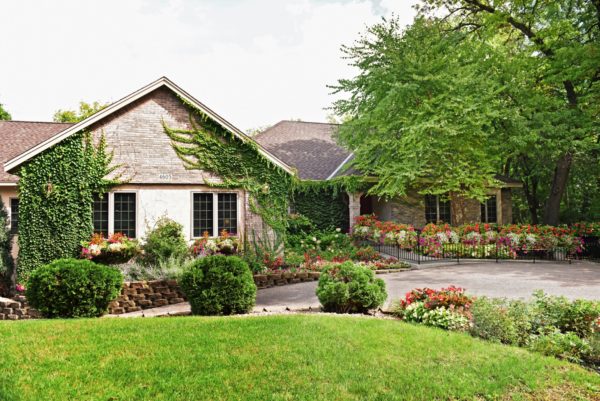
Gianna Homes Sursum Corda
Memory Care 4605 Fairhills Road East, Minnetonka, Minnesota, 55345Gianna Homes Sursum Corda is a large walk-out rambler style home located on a one and one-half acre wooded lot in a quiet residential neighborhood of Minnetonka. All of our resident rooms are on the main level where we also have four (4) bathrooms (two being very large with a full handicap shower), a kitchen, a dining room, a four season porch with views of the woods, a den, a living room, and an elevator which takes residents to the lower level. The lower level features a large family room (where families can meet), a chapel, a laundry room, a carport (for covered access), our offices, and a staff break room. The lower level opens out to a beautiful, fenced patio and garden area with walkways, a fountain, and abundant wildlife. There is a generous amount of natural light, as well as artificial lighting to maintain the safety of our residents as they age and sight and gait diminish. There are handrails throughout the home. The home is modestly but tastefully decorated to promote independence and comfort.